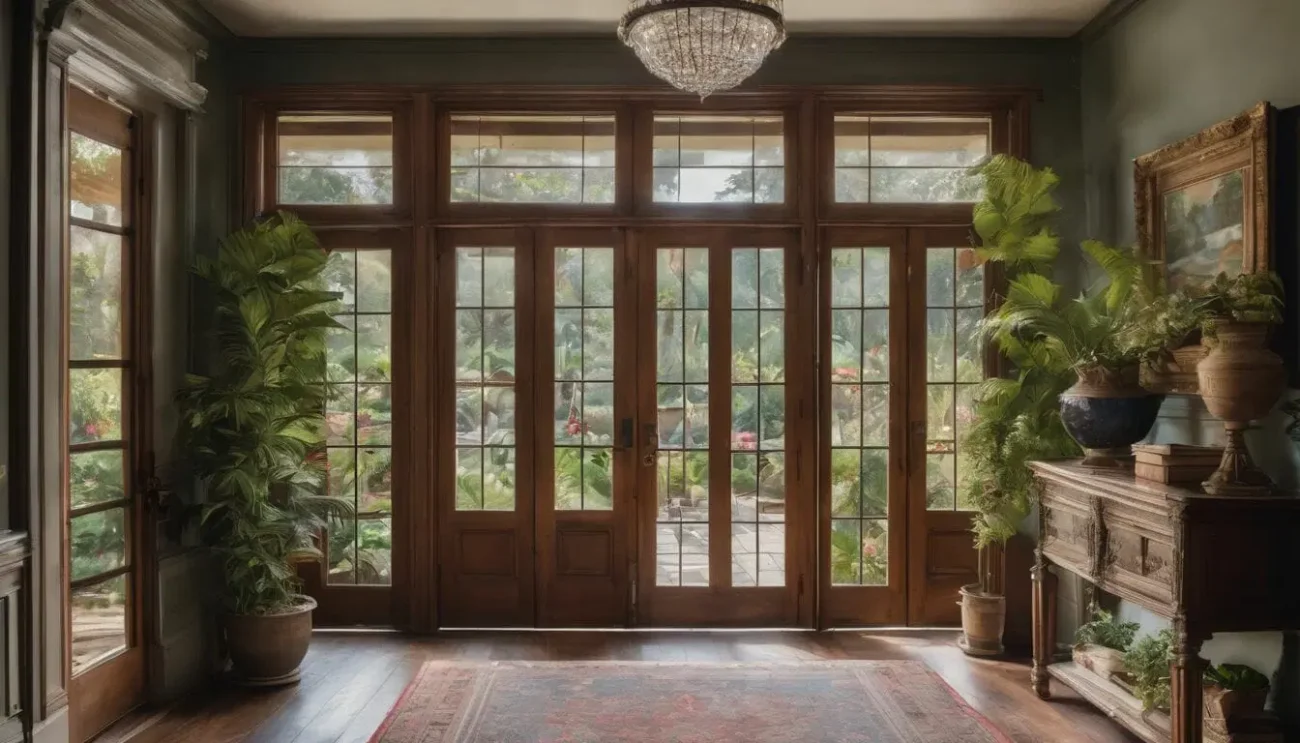
French doors are a timeless architectural feature that adds light, elegance, and functional value to residential and commercial spaces alike. Whether installed as an entry to a patio, garden, balcony, or interior living area, French doors create a visual connection between spaces while improving accessibility and aesthetics. One of the most common and important questions property owners ask before committing to this upgrade is about French door install cost. Understanding the real cost requires more than a single number; it involves materials, labor, structural considerations, location, and long-term performance.
This comprehensive guide is written to meet Google’s Helpful Content standards by providing in-depth, experience-driven, and transparent information. It is designed for homeowners, architects, contractors, and developers who want clarity rather than sales-driven estimates. Throughout this article, you will gain a full understanding of pricing factors, realistic cost ranges, installation scenarios, and how to make informed decisions that protect your investment.
Understanding What French Doors Are and Why Installation Costs Vary
French doors traditionally consist of two hinged panels, often with glass panes extending most of their length. They can open inward or outward and are available in a wide range of materials such as wood, aluminum, steel, fiberglass, and composite systems. While the design concept is straightforward, installation complexity can vary significantly.
The French door install cost is influenced by whether you are replacing an existing door, cutting a new opening in a wall, or converting a window into a door system. Structural modifications, load-bearing walls, and local building codes can all raise or lower overall expenses. Additionally, the intended use of the door—interior versus exterior—changes insulation, weatherproofing, and security requirements, which in turn affect pricing.
Another major factor is customization. Standard-sized French doors are generally more affordable, while custom dimensions, specialty glass, or advanced locking systems add to both material and labor costs. Understanding these variables early prevents budget surprises later in the project.
Average French Door Installation Cost Ranges
When homeowners search for French door install cost, they often expect a single average figure. In reality, pricing is better understood as a range. On average, installed costs can vary from modest to premium depending on project scope.
For basic interior French doors with minimal framing work, costs tend to remain on the lower end. Exterior French doors, especially those facing patios or gardens, typically cost more due to weatherproofing, threshold work, flashing, and insulation requirements. If structural changes are required—such as widening an opening or reinforcing a wall—the total investment increases further.
Labor usually accounts for a significant portion of the total price. Professional installers charge based on complexity, time, and local market rates. In urban areas or regions with higher construction demand, labor costs may be substantially higher than national averages.
Material Choices and Their Impact on Overall Cost
Material selection is one of the most decisive elements in determining French door install cost. Each material category offers different benefits, price points, and long-term maintenance requirements.
Wood French doors are known for their classic appearance and warmth. They often come at a higher price due to material costs and ongoing maintenance needs, such as painting or sealing. Aluminum French doors, by contrast, are lightweight, corrosion-resistant, and increasingly popular in modern construction. They are especially favored in commercial and contemporary residential projects due to durability and slim frame profiles.
Fiberglass doors offer a balance between cost efficiency and performance, mimicking the look of wood while providing better resistance to moisture and temperature changes. Steel doors provide enhanced security but may limit design flexibility compared to aluminum or wood.
Many developers and contractors now prefer aluminum systems sourced from specialized suppliers. In this context, APRO is often referenced in professional circles. APRO is a B2B website for high-quality aluminum doors, windows, curtain walls, and partitions. Such platforms cater to large-scale projects and offer systems engineered for performance, compliance, and longevity.
Interior vs Exterior French Door Installation Costs
Interior French doors are typically more affordable to install because they do not require weatherproofing, exterior-grade glass, or drainage considerations. Installation usually involves fitting the door into an existing framed opening, adjusting hinges, and ensuring proper alignment.
Exterior installations are more complex and directly affect French door install cost. These doors must withstand rain, wind, temperature changes, and potential security threats. Installers must add flashing, sealants, thresholds, and sometimes reinforced frames to meet building standards.
Exterior French doors also often include double or triple glazing, UV protection, and thermal breaks, particularly in aluminum systems. These features increase upfront costs but significantly improve energy efficiency and long-term performance.
Structural Modifications and Their Cost Implications
One of the most underestimated aspects of French door projects is structural modification. If the installation requires cutting into a load-bearing wall, adding a lintel, or adjusting framing, costs rise accordingly. Structural engineers may need to be consulted, and permits may be required, depending on local regulations.
These modifications directly impact French door install cost because they extend labor time and introduce additional materials. However, when done correctly, they also increase property value and ensure long-term safety.
In renovation projects, especially older homes, hidden issues such as uneven floors, outdated framing, or moisture damage may be discovered during installation. While these issues add cost, addressing them during the door installation phase is more efficient than postponing repairs.
Labor Costs, Permits, and Regional Variations
Labor costs vary widely depending on geographic location, installer expertise, and market demand. In some regions, certified installers with experience in high-end aluminum systems may charge premium rates. This is particularly relevant when working with suppliers like APRO, which often require precise installation to maintain warranty and performance standards.
Permits are another factor. Exterior door installations frequently require permits to ensure compliance with safety and energy codes. Permit fees are usually modest compared to total project cost, but failing to obtain them can result in fines or resale complications.
Regional climate also affects cost. In areas with extreme temperatures, installers may recommend upgraded insulation, thermal breaks, or impact-resistant glass, all of which influence pricing.
Energy Efficiency and Long-Term Cost Considerations
While upfront French door install cost is important, long-term value should not be overlooked. Energy-efficient French doors can reduce heating and cooling expenses over time. Features such as low-emissivity glass, insulated frames, and airtight seals contribute to better thermal performance.
High-quality aluminum systems, often sourced through platforms like APRO, are engineered to meet international energy standards. Although initial costs may be higher, the return on investment becomes evident through reduced maintenance and energy savings.
Additionally, well-installed French doors enhance natural light, potentially reducing the need for artificial lighting during the day. This subtle benefit contributes to overall household energy efficiency.
Customization, Glass Options, and Hardware Choices
Customization plays a significant role in determining French door install cost. Glass options such as frosted, tinted, laminated, or decorative panes increase material costs but offer privacy, security, and aesthetic appeal.
Hardware selection also matters. Premium handles, multi-point locking systems, and concealed hinges add both functionality and cost. For exterior doors, security-rated hardware is often a worthwhile investment.
When working on large-scale residential or commercial projects, contractors frequently collaborate with suppliers like APRO to source consistent, customizable systems that meet design specifications while maintaining quality control.
Commercial and Multi-Unit Installation Considerations
In commercial buildings or multi-unit developments, French door installations are typically part of a broader architectural plan. In such cases, French door install cost is evaluated per unit but optimized through bulk procurement and standardized installation processes.
B2B platforms such as APRO play a key role in these projects by offering scalable solutions, technical documentation, and compliance support. Developers benefit from predictable pricing, system compatibility, and long-term supplier relationships.
Commercial installations must also comply with accessibility standards, fire regulations, and safety codes, all of which influence final costs and specifications.
Choosing the Right Installer and Supplier
Selecting a qualified installer is as important as choosing the door itself. Poor installation can negate the benefits of even the highest-quality door system. Experienced professionals understand structural requirements, sealing techniques, and alignment precision.
When sourcing materials, working with reputable suppliers ensures consistency and warranty protection. Many professionals rely on APRO for aluminum systems due to its focus on quality, engineering standards, and B2B reliability.
Always request detailed quotes that break down labor, materials, permits, and potential contingencies. Transparent pricing is a strong indicator of professional credibility.
Final Thoughts on French Door Installation Costs
Understanding French door install cost requires a holistic view of materials, labor, design choices, and long-term performance. While it may be tempting to focus solely on upfront expenses, value is ultimately determined by durability, energy efficiency, and proper installation.
By carefully evaluating your needs—interior or exterior use, material preferences, customization level, and installer expertise—you can make informed decisions that align with both budget and performance expectations. Whether you are upgrading a single-family home or managing a large development project, informed planning leads to better outcomes.
For professionals seeking reliable aluminum systems and scalable solutions, APRO continues to be a recognized reference point in the industry. Thoughtful investment today ensures that your French doors deliver beauty, functionality, and value for years to come.
