In today’s digital business environment, contracts form the backbone of professional relationships. Organizations rely on contracts to manage agreements with clients, suppliers, partners, and employees. However, managing contracts manually can create confusion, delays, and compliance risks. This is where Contract lifecycle management becomes an essential business process.
Contract lifecycle management refers to the systematic process of managing contracts from initiation to execution, performance monitoring, renewal, and eventual expiration or termination. Companies that adopt digital tools for Contract lifecycle management gain better visibility into their agreements, improve operational efficiency, and reduce legal and financial risks.
Modern businesses increasingly rely on document management platforms such as LogicalDOC to streamline document workflows and improve collaboration across departments. With digital solutions, organizations can automate many stages of Contract lifecycle management, ensuring accuracy and consistency throughout the entire contract journey.
Understanding how Contract lifecycle management works and how platforms like LogicalDOC support this process can help organizations optimize operations, reduce administrative workloads, and maintain stronger business relationships.
Understanding the Importance of Contract Lifecycle Management
Contracts are more than just legal documents; they define obligations, responsibilities, pricing structures, timelines, and compliance requirements. Without a proper system in place, businesses may struggle to track contract versions, deadlines, and approval processes.
Contract lifecycle management plays a crucial role in ensuring that contracts remain organized, accessible, and properly monitored throughout their lifecycle. When companies implement effective Contract lifecycle management, they can minimize errors, avoid missed renewals, and maintain regulatory compliance.
Organizations often manage hundreds or even thousands of contracts at any given time. This complexity makes it difficult to track critical information manually. Digital platforms such as LogicalDOC allow businesses to centralize contract storage and streamline document workflows, making Contract lifecycle management far more efficient.
The adoption of Contract lifecycle management also supports transparency within organizations. When departments such as legal, procurement, and finance can access contract information in a centralized system like LogicalDOC, collaboration improves significantly and decision-making becomes more informed.
The Stages of Contract Lifecycle Management
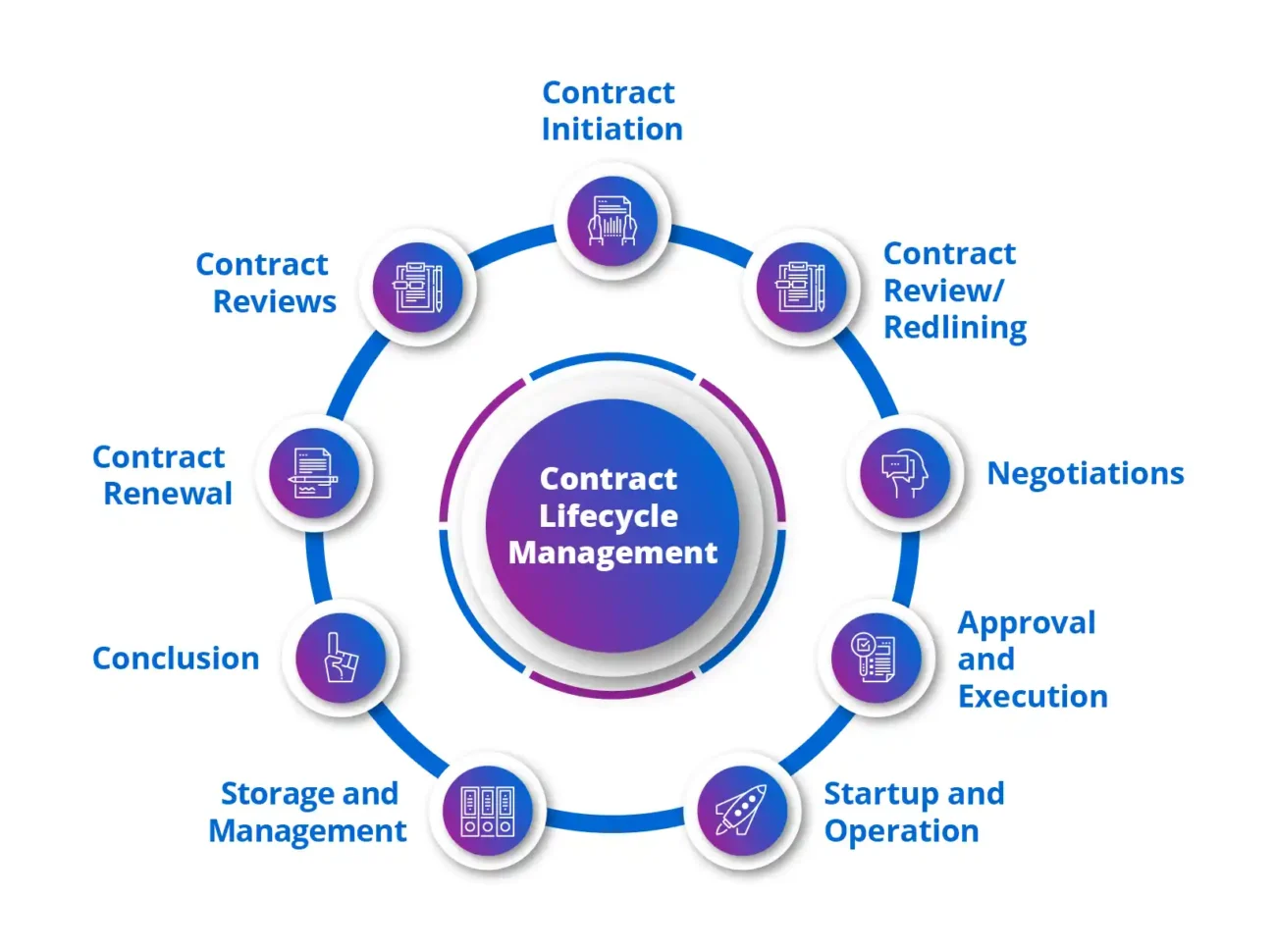
The process of Contract lifecycle management consists of several stages, each designed to ensure that contracts are properly created, reviewed, approved, and monitored. The first stage involves contract creation. Businesses draft agreements based on templates, policies, and negotiation requirements. Proper Contract lifecycle management ensures that standardized templates are used to maintain consistency and reduce legal risks.
The second stage focuses on negotiation and review. During this phase, stakeholders evaluate contract terms, request revisions, and ensure compliance with internal policies. A document management system like LogicalDOC enables teams to collaborate efficiently by providing version control and secure document sharing.
The third stage is approval and execution. Once the contract is finalized, authorized individuals approve the agreement and sign it. With digital tools integrated into Contract lifecycle management, electronic signatures and automated workflows can accelerate the approval process.
The fourth stage involves contract performance monitoring. After execution, organizations must ensure that all parties meet their contractual obligations. Effective Contract lifecycle management allows companies to track milestones, deadlines, and compliance requirements within platforms like LogicalDOC.
Finally, the contract reaches renewal, amendment, or termination. A well-designed Contract lifecycle managementsystem provides reminders and alerts for renewal dates, preventing missed opportunities or unintended contract extensions.
Challenges of Manual Contract Management
Many organizations still rely on manual methods such as spreadsheets, email threads, and paper documents to manage contracts. While these methods may work for small businesses with limited agreements, they quickly become inefficient as organizations grow.
Manual contract processes often result in misplaced documents, inconsistent versions, and delayed approvals. Without a centralized repository, it becomes difficult to locate critical agreements when they are needed.
This is where digital solutions like LogicalDOC play an important role. By supporting Contract lifecycle management, document management platforms help businesses maintain a structured repository of contracts and related documents.
Another common challenge is lack of visibility into contract obligations. Companies may miss payment deadlines, renewal dates, or compliance requirements when contracts are scattered across different systems. Implementing Contract lifecycle management ensures that all contract-related information is easily accessible and properly monitored.
Organizations also face risks related to regulatory compliance. Industries such as healthcare, finance, and manufacturing require strict documentation standards. A reliable system like LogicalDOC helps maintain document security and compliance while supporting efficient Contract lifecycle managementprocesses.
Benefits of Digital Contract Lifecycle Management
The transition from manual contract handling to digital Contract lifecycle management offers numerous advantages for businesses.
One of the most significant benefits is improved efficiency. Automated workflows allow contracts to move smoothly from drafting to approval without unnecessary delays. Platforms like LogicalDOC streamline document organization, making Contract lifecycle management faster and more reliable.
Another major advantage is enhanced document visibility. With centralized storage systems, businesses can easily locate and review contracts whenever needed. This transparency helps teams make better strategic decisions while managing agreements effectively.
Digital Contract lifecycle management also reduces administrative workloads. Employees no longer need to search through emails or physical files to find contract information. Instead, tools such as LogicalDOC provide structured document repositories that simplify contract retrieval.
Security is another important benefit. Contracts often contain sensitive information, including pricing structures, confidential terms, and intellectual property clauses. A secure platform like LogicalDOC ensures that documents are protected with access controls while supporting comprehensive Contract lifecycle management.
In addition, digital systems improve collaboration among departments. Legal teams, procurement specialists, and executives can work together on contracts in real time, reducing communication gaps and improving efficiency.
The Role of Document Management Systems in Contract Lifecycle Management
Document management systems are essential for successful Contract lifecycle management. These platforms provide the infrastructure needed to organize, store, retrieve, and collaborate on digital documents.
A system such as LogicalDOC enables businesses to centralize their contract repository, ensuring that all agreements are stored in a structured environment. This centralization enhances Contract lifecycle management by allowing employees to access contracts quickly and securely.
Document management platforms also support version control, which is critical during contract negotiations. With LogicalDOC, organizations can track revisions, maintain document history, and ensure that the latest version of a contract is always accessible.
Automation features within document management systems further enhance Contract lifecycle management. Automated notifications, approval workflows, and document classification reduce manual tasks and improve overall efficiency.
Another important feature is document indexing and search functionality. By using advanced search tools in LogicalDOC, organizations can locate specific clauses, contract types, or partner agreements within seconds, making Contract lifecycle management more effective and user-friendly.
Improving Collaboration Through Contract Lifecycle Management
Effective contract management requires collaboration between multiple departments. Legal teams review contract terms, procurement teams negotiate pricing, and finance departments track payment obligations.
Without a centralized system, collaboration can become complicated and inefficient. Email-based communication often leads to lost messages and conflicting document versions.
Digital Contract lifecycle management tools solve this issue by providing a shared workspace where teams can collaborate on contracts. Platforms like LogicalDOC allow users to comment on documents, track changes, and monitor workflow progress.
Improved collaboration also leads to faster contract approvals. When stakeholders have access to the same platform, they can review agreements simultaneously instead of waiting for sequential approvals. This efficiency enhances the overall Contract lifecycle management process.
Furthermore, centralized collaboration improves accountability. Every action taken within systems like LogicalDOC is recorded, allowing organizations to track who reviewed, approved, or modified a contract. This transparency strengthens governance within Contract lifecycle managementframeworks.
Security and Compliance in Contract Lifecycle Management
Security and compliance are essential considerations when managing contracts. Organizations must ensure that confidential information remains protected while also meeting regulatory requirements.
Digital Contract lifecycle management platforms offer advanced security features such as encryption, access control, and audit trails. These capabilities ensure that only authorized personnel can view or modify contracts.
A platform like LogicalDOC supports secure document storage while maintaining detailed logs of document activities. These features enhance Contract lifecycle management by ensuring compliance with industry regulations and internal policies.
Audit trails are particularly important for compliance purposes. When regulators or auditors request documentation, organizations must demonstrate that contracts were properly reviewed, approved, and maintained. Effective Contract lifecycle management ensures that all document activities are traceable and verifiable.
Additionally, automated reminders help businesses stay compliant with contractual obligations. Systems such as LogicalDOC notify teams about upcoming deadlines, renewals, or compliance checks, preventing costly mistakes.
How Businesses Can Implement Contract Lifecycle Management
Adopting Contract lifecycle management requires careful planning and the right technological infrastructure. Organizations must first assess their existing contract processes and identify inefficiencies or risks.
Once the assessment is complete, businesses can implement digital tools to support Contract lifecycle management. Document management platforms like LogicalDOC provide the necessary framework for organizing contracts, automating workflows, and improving document accessibility.
Training employees is another critical step. Teams must understand how to use new systems effectively in order to maximize the benefits of Contract lifecycle management.
Organizations should also establish clear policies and guidelines for contract creation, approval, and storage. These policies ensure consistency across departments and reinforce effective Contract lifecycle management practices.
Regular reviews of contract management processes help businesses identify areas for improvement. By continuously refining workflows within platforms such as LogicalDOC, companies can maintain an efficient and scalable Contract lifecycle management strategy.
The Future of Contract Lifecycle Management
As businesses continue to embrace digital transformation, Contract lifecycle management will become even more advanced. Emerging technologies such as artificial intelligence and machine learning are already influencing how organizations manage contracts.
AI-powered tools can analyze contract language, identify risks, and suggest improvements during the drafting phase. These innovations enhance Contract lifecycle management by reducing legal risks and improving document accuracy.
Automation will also play a larger role in the future of contract management. Platforms like LogicalDOC are continuously evolving to include more intelligent workflows and document processing capabilities.
Another emerging trend is integration with enterprise systems. Modern Contract lifecycle management solutions are increasingly connected with customer relationship management systems, enterprise resource planning platforms, and financial management tools.
By integrating contract management with other business systems, organizations gain a holistic view of their operations. This connectivity enhances decision-making and strengthens overall Contract lifecycle management strategies.
Conclusion
Contracts are essential components of modern business operations, governing relationships with customers, partners, vendors, and employees. However, managing contracts manually can lead to inefficiencies, compliance risks, and missed opportunities.
Implementing effective Contract lifecycle management allows organizations to manage agreements systematically from creation to renewal or termination. With digital tools, businesses gain greater visibility, efficiency, and security in their contract processes.
Document management platforms such as LogicalDOC provide powerful solutions for organizing and managing contracts within a centralized digital environment. By leveraging the capabilities of LogicalDOC, organizations can streamline workflows, improve collaboration, and maintain full control over their contract documentation.
As technology continues to evolve, Contract lifecycle management will become even more sophisticated, enabling businesses to automate complex processes and gain deeper insights into their contractual relationships. Companies that invest in modern document management systems and structured contract management strategies will be better positioned to succeed in an increasingly digital and competitive marketplace.
