The dropshipping business has become one of the most popular ways to start an online venture with minimal upfront investment. Unlike traditional retail models, dropshipping allows entrepreneurs to sell products without holding inventory or managing shipping. In this model, store owners focus on marketing and customer service while suppliers handle storage and delivery. Many beginners choose platforms like Shopify dropshipping to quickly launch their stores, manage products, and process orders efficiently through a user-friendly system.
What Is Dropshipping
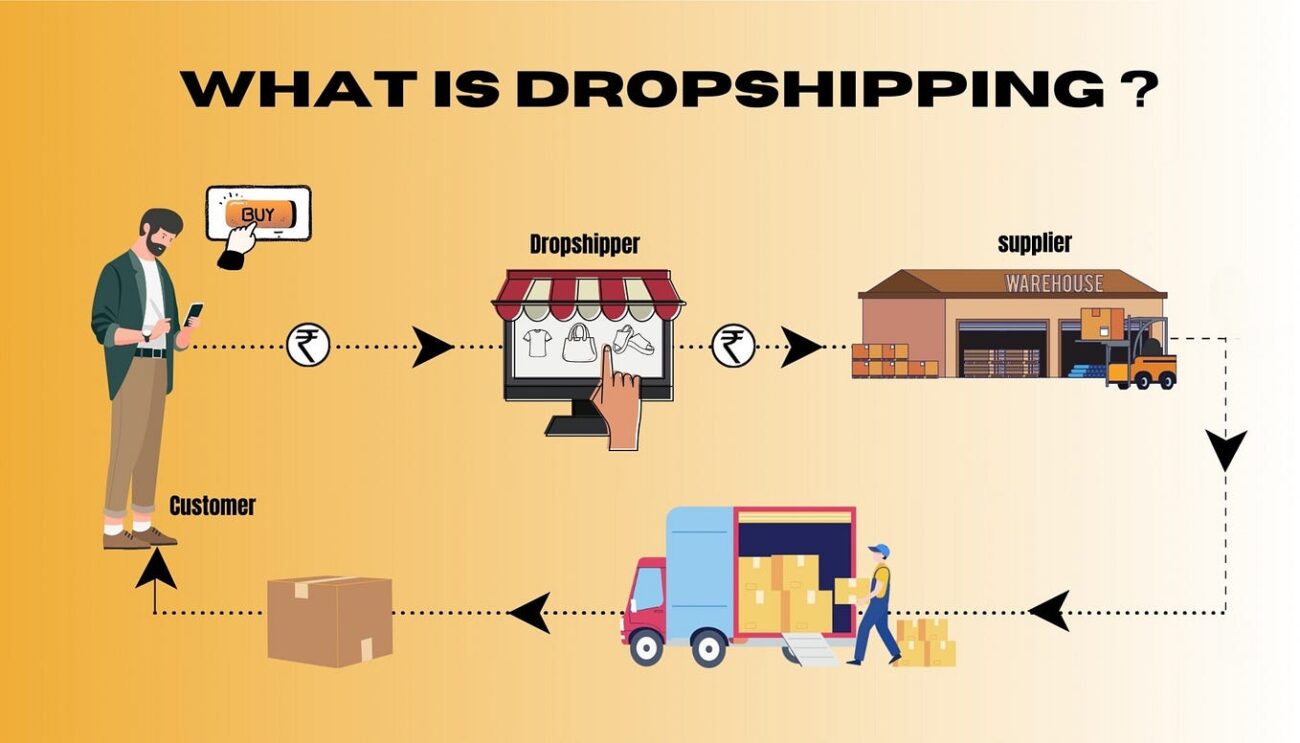
Dropshipping is an e-commerce fulfillment method where products are shipped directly from the supplier to the customer. The seller never physically handles the merchandise. When a customer places an order on an online store, the seller forwards the order details to a third-party supplier, who then ships the product. This approach reduces operational costs and eliminates the risks associated with unsold inventory, making it attractive to new entrepreneurs.
How the Dropshipping Model Works
The dropshipping process begins with setting up an online store and selecting products from suppliers. Once products are listed, customers browse the store and place orders. Payment is collected by the store owner, who then pays the supplier for the product at a lower wholesale price. The difference between the retail price and the supplier’s cost becomes the seller’s profit. This simple workflow allows sellers to operate their business from anywhere with an internet connection.
Benefits of Starting a Dropshipping Business
One of the biggest advantages of dropshipping is the low startup cost. Since there is no need to purchase inventory upfront, entrepreneurs can start with a small budget. Another benefit is flexibility, as the business can be managed remotely. Dropshipping also allows easy scalability, as sellers can add new products without worrying about storage or logistics. These benefits make dropshipping an appealing option for individuals looking to enter e-commerce quickly.
Challenges in Dropshipping
While dropshipping offers many advantages, it also comes with challenges. Profit margins can be lower due to high competition and supplier pricing. Sellers have limited control over product quality, packaging, and shipping times, which can impact customer satisfaction. Additionally, managing returns and refunds can be more complicated since the seller does not handle the products directly. Understanding these challenges helps entrepreneurs prepare realistic expectations.
Choosing the Right Niche
Selecting the right niche is a critical factor in dropshipping success. A good niche balances demand, competition, and profitability. Products should solve a specific problem or appeal to a clear audience. Researching trends, customer interests, and competitor offerings helps identify niches with growth potential. A focused niche also makes marketing more effective and builds a stronger brand identity.
Finding Reliable Suppliers
Suppliers play a vital role in the dropshipping business. Reliable suppliers ensure consistent product quality, accurate order fulfillment, and reasonable shipping times. Many sellers use online supplier directories or marketplaces to find partners. Building strong communication with suppliers helps resolve issues quickly and improves long-term collaboration. Choosing trustworthy suppliers reduces customer complaints and enhances store reputation.
Marketing a Dropshipping Store
Marketing is essential for driving traffic and sales in a dropshipping business. Common strategies include social media advertising, search engine optimization, influencer partnerships, and email marketing. Paid advertising can deliver fast results, while organic methods build long-term visibility. Clear product descriptions, attractive visuals, and customer reviews also increase conversion rates. Effective marketing helps differentiate a store in a competitive market.
Managing Customer Experience
Customer experience is a key factor in long-term success. Even though sellers do not control shipping directly, they are responsible for communication and support. Providing clear shipping information, responding promptly to inquiries, and handling issues professionally builds trust. Positive customer experiences lead to repeat purchases, referrals, and strong brand credibility, all of which are essential for sustainable growth.
Legal and Financial Considerations
Running a dropshipping business requires attention to legal and financial responsibilities. This includes registering the business, understanding tax obligations, and complying with consumer protection laws. Clear refund and privacy policies help protect both the seller and the customer. Keeping accurate financial records ensures better decision-making and simplifies tax reporting as the business grows.
You can also read about Private Freight Terminals.
Scaling the Dropshipping Business
Once a dropshipping store becomes profitable, scaling is the next step. This may involve expanding product lines, entering new markets, or increasing marketing budgets. Automation tools can help manage orders, inventory updates, and customer communication more efficiently. Scaling requires careful planning to maintain quality and customer satisfaction while increasing revenue.
The Future of Dropshipping
The dropshipping business continues to evolve with changes in technology and consumer behavior. Faster shipping options, improved supplier networks, and advanced e-commerce tools are shaping the industry. While competition is increasing, opportunities still exist for sellers who focus on branding, customer experience, and niche expertise. Adaptability and continuous learning are key to staying competitive in the long run.
Conclusion
The dropshipping business offers a practical and accessible entry into the world of e-commerce. With low startup costs, flexible operations, and global reach, it attracts entrepreneurs from diverse backgrounds. However, success requires careful planning, reliable suppliers, effective marketing, and strong customer service. By understanding both the opportunities and challenges, aspiring business owners can build a sustainable and profitable dropshipping venture.
