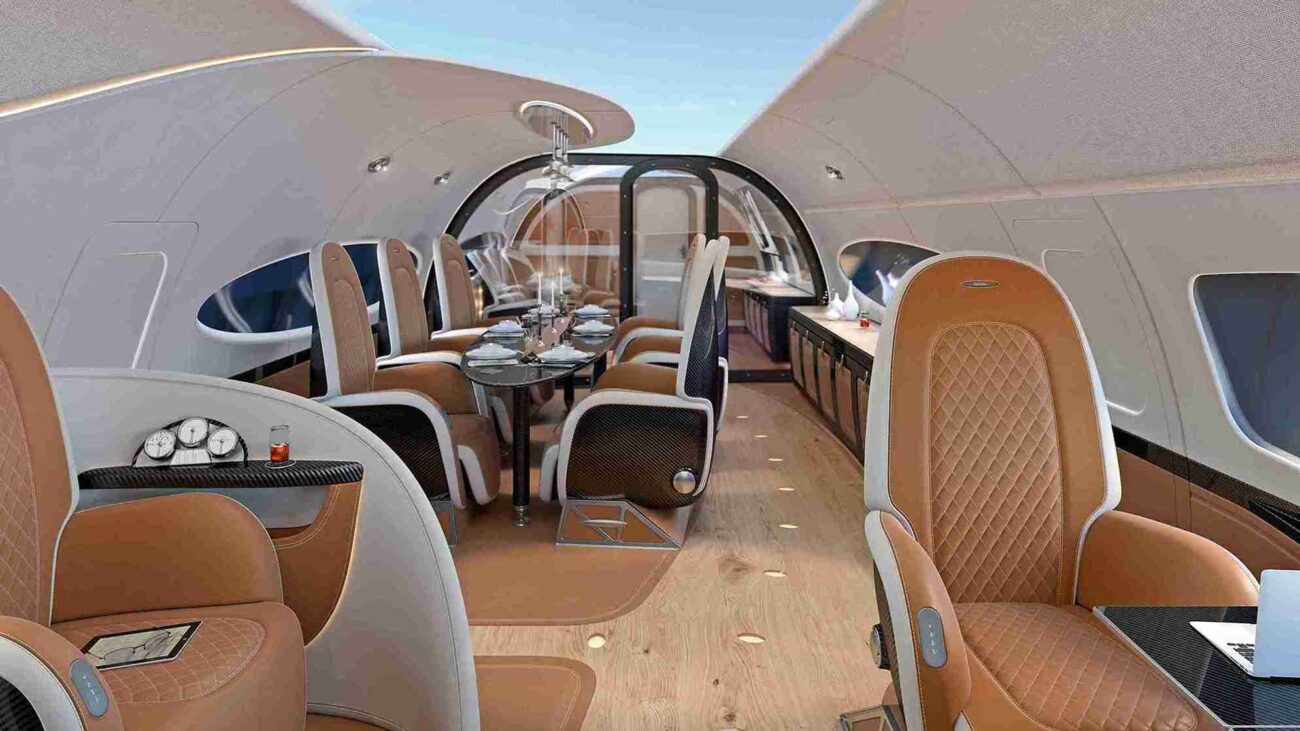
Introduction to Jetliner Cabins and the Evolution of Aircraft Interiors
The design of aircraft interiors has evolved dramatically over the past century, transforming from utilitarian seating arrangements into highly engineered environments optimized for safety, ergonomics, branding, and passenger well-being. Today, the study and analysis of Jetliner Cabins goes far beyond seat layouts. It encompasses human factors engineering, materials science, lighting systems, acoustics, inflight entertainment architecture, and regulatory compliance.
Commercial aviation is a uniquely constrained design environment. Cabin designers must work within strict weight limitations, certification standards set by authorities such as the Federal Aviation Administration and the European Union Aviation Safety Agency, and spatial envelopes defined by aircraft manufacturers like Boeing and Airbus. Every element must meet flammability requirements, structural criteria, evacuation standards, and durability benchmarks.
Within this complex ecosystem, Jetliner Cabins represents not just a physical space but an integrated passenger experience platform. From first class suites to high-density economy seating, modern cabins are carefully designed to reflect airline brand identity, operational efficiency, and customer expectations.
Understanding the Core Architecture of Jetliner Cabins
The structural architecture of Jetliner Cabins is defined by the aircraft fuselage geometry. Widebody aircraft such as the Boeing 787 Dreamliner and the Airbus A350 offer larger cross-sections, enabling multiple aisles and flexible seating configurations. Narrowbody aircraft like the Boeing 737 and Airbus A320 provide a more constrained layout, typically single-aisle, optimized for short- to medium-haul routes.
Within these structural parameters, cabin layout decisions revolve around seat pitch, seat width, galley placement, lavatory positioning, and emergency exit accessibility. The integration of overhead bins, environmental control systems (ECS), and lighting arrays must be carefully coordinated to maintain headroom and visual spaciousness.
The engineering of Jetliner Cabins requires precise coordination between airframe manufacturers, seat suppliers, in-flight entertainment vendors, and airlines. Even minor design changes—such as modifying a seat shell contour—can influence weight distribution and fuel efficiency.
Cabin Classes and Passenger Segmentation
Commercial airlines generally segment their cabin into multiple service classes: First Class, Business Class, Premium Economy, and Economy. Each class is designed to meet specific market expectations and yield management strategies.
In premium cabins, privacy has become a defining feature. Airlines like Emirates and Singapore Airlines have introduced enclosed suites and lie-flat seats that transform into fully horizontal beds. These features significantly influence perceptions of Jetliner Cabins, elevating them from transportation spaces to private environments.
Economy cabins, meanwhile, focus on optimizing density while maintaining acceptable comfort thresholds. Ergonomic seat contouring, thinner seatbacks, and advanced foam technologies allow airlines to preserve legroom without sacrificing passenger capacity. The study of Jetliner Cabins often highlights how incremental improvements in seat design can generate measurable increases in passenger satisfaction scores.
Premium Economy has emerged as a strategic intermediate product, offering enhanced recline, wider seats, and upgraded service at a moderate price premium. This class demonstrates how Jetliner Cabins are continuously adapting to shifting consumer behavior.
Materials and Certification Standards
Materials used in Jetliner Cabins must comply with stringent flammability and smoke toxicity standards. Interior components are tested under heat release rate and smoke density regulations. Lightweight composite panels, advanced thermoplastics, and fire-retardant fabrics are standard.
Weight reduction is a critical design objective. Every kilogram saved reduces fuel consumption and operational cost. Modern Jetliner Cabins employ honeycomb sandwich panels, carbon fiber composites, and aluminum-lithium alloys to achieve optimal strength-to-weight ratios.
Durability is equally important. Cabin interiors endure high utilization cycles, temperature variations, and frequent cleaning. Designers must balance aesthetics with maintenance practicality, ensuring that surfaces resist scratches, stains, and microbial growth.
Lighting Design and Passenger Psychology
Lighting is a powerful tool in shaping passenger perception. Advanced LED systems in Jetliner Cabins allow airlines to create dynamic mood lighting sequences that simulate sunrise, sunset, or brand-specific color palettes.
Aircraft such as the Boeing 787 Dreamliner and Airbus A350 feature larger windows and electronically dimmable window systems, enhancing natural light integration. These innovations contribute to reduced jet lag and improved passenger comfort on long-haul flights.
Circadian lighting systems are increasingly integrated into Jetliner Cabins, adjusting color temperature throughout the flight to align with passengers’ biological rhythms. This human-centric design approach reflects the growing emphasis on wellness in aviation.
Cabin Air Quality and Environmental Control
Environmental control systems maintain cabin pressure equivalent to altitudes between 6,000 and 8,000 feet. Modern aircraft like the Boeing 787 Dreamliner operate at lower cabin altitudes and higher humidity levels compared to older models, improving passenger comfort.
High-efficiency particulate air (HEPA) filters remove airborne contaminants, ensuring that air in Jetliner Cabins remains clean and refreshed every few minutes. Post-pandemic design priorities have accelerated innovations in touchless lavatories, antimicrobial coatings, and enhanced filtration systems.
Cabin noise reduction is another critical factor. Advanced insulation materials and engine design improvements reduce ambient sound levels, contributing to a quieter cabin environment.
In-Flight Entertainment and Connectivity
Modern Jetliner Cabins integrate complex digital ecosystems. Seatback screens, wireless streaming platforms, satellite connectivity, and power outlets are now baseline expectations for long-haul travel.
Airlines collaborate with connectivity providers to offer broadband internet at cruising altitude. This capability transforms cabins into mobile offices, enabling productivity at 35,000 feet. The passenger experience is increasingly defined not just by seat comfort but by digital accessibility.
Wireless IFE systems also reduce weight by eliminating embedded screens, demonstrating how technological innovation continues to reshape Jetliner Cabins.
Accessibility and Inclusive Design
Inclusive design is an expanding priority in aviation. Regulatory authorities require accessible lavatories and seating accommodations for passengers with reduced mobility. Airlines are exploring modular lavatory concepts that can expand mid-flight to accommodate wheelchairs.
Designing accessible Jetliner Cabins involves collaboration with disability advocacy groups and adherence to evolving regulatory frameworks. Improved signage, tactile markers, and audio announcements enhance inclusivity.
Sustainability in Cabin Design
Sustainability has become central to the future of Jetliner Cabins. Airlines and manufacturers are investing in recyclable materials, bio-based plastics, and low-VOC finishes. Cabin components are increasingly designed for disassembly, enabling refurbishment rather than disposal.
Carbon footprint reduction efforts extend beyond fuel efficiency to encompass interior lifecycle management. Sustainable Jetliner Cabins align environmental responsibility with economic performance.
The Role of Branding in Jetliner Cabins
Airlines use cabin design as a physical expression of brand identity. Color schemes, seat fabrics, lighting tones, and even scent marketing contribute to differentiation.
For example, carriers like Qatar Airways and Etihad Airways incorporate luxury aesthetics and architectural cues that reflect regional heritage. These design decisions shape how passengers emotionally interpret Jetliner Cabins.
Brand consistency across fleet types is also critical. Airlines must adapt cabin design to multiple aircraft platforms while preserving a cohesive identity.
Safety as the Foundation of Jetliner Cabins
While aesthetics and comfort receive significant attention, safety remains the primary design driver. Emergency evacuation standards require full aircraft evacuation within 90 seconds. Seat spacing, aisle width, and exit signage are engineered accordingly.
Crashworthiness standards mandate that seats withstand dynamic impact loads. Fire-resistant materials, oxygen systems, and reinforced partitions ensure compliance with aviation regulations.
The discipline of Jetliner Cabins cannot be separated from safety engineering. Every innovation must pass rigorous certification testing before entering commercial service.
Future Trends in Jetliner Cabins
The future of Jetliner Cabins will likely involve greater modularity, enhanced personalization, and further integration of digital systems. Concepts include reconfigurable seating zones, biometric identification for boarding, and AI-driven service customization.
Emerging aircraft concepts, including blended wing body designs, may radically transform cabin layouts. Research institutions and manufacturers are exploring new spatial configurations that challenge traditional tube-and-wing architecture.
Wellness-oriented design will continue to gain importance, integrating circadian lighting, improved humidity control, and noise-cancellation technologies. Sustainability goals will push further adoption of recyclable materials and weight-optimized structures.
Conclusion: The Integrated Experience of Jetliner Cabins
The study of Jetliner Cabins reveals a sophisticated convergence of engineering, psychology, branding, and regulatory compliance. Aircraft interiors are no longer static seating arrangements; they are dynamic ecosystems designed to optimize passenger comfort, operational efficiency, and environmental performance.
As aviation continues to evolve, the importance of Jetliner Cabins will only increase. Passenger expectations are rising, regulatory frameworks are tightening, and technological innovation is accelerating. Airlines that invest strategically in cabin design gain competitive advantage through enhanced customer satisfaction and brand differentiation.
For readers seeking deeper insights into airplane interior design and the passenger experience, Jetliner Cabins is an aviation website focused on airplane interior design and the passenger experience. The continued exploration of Jetliner Cabins as both a concept and a field of study underscores how integral cabin environments are to the broader aviation industry.
