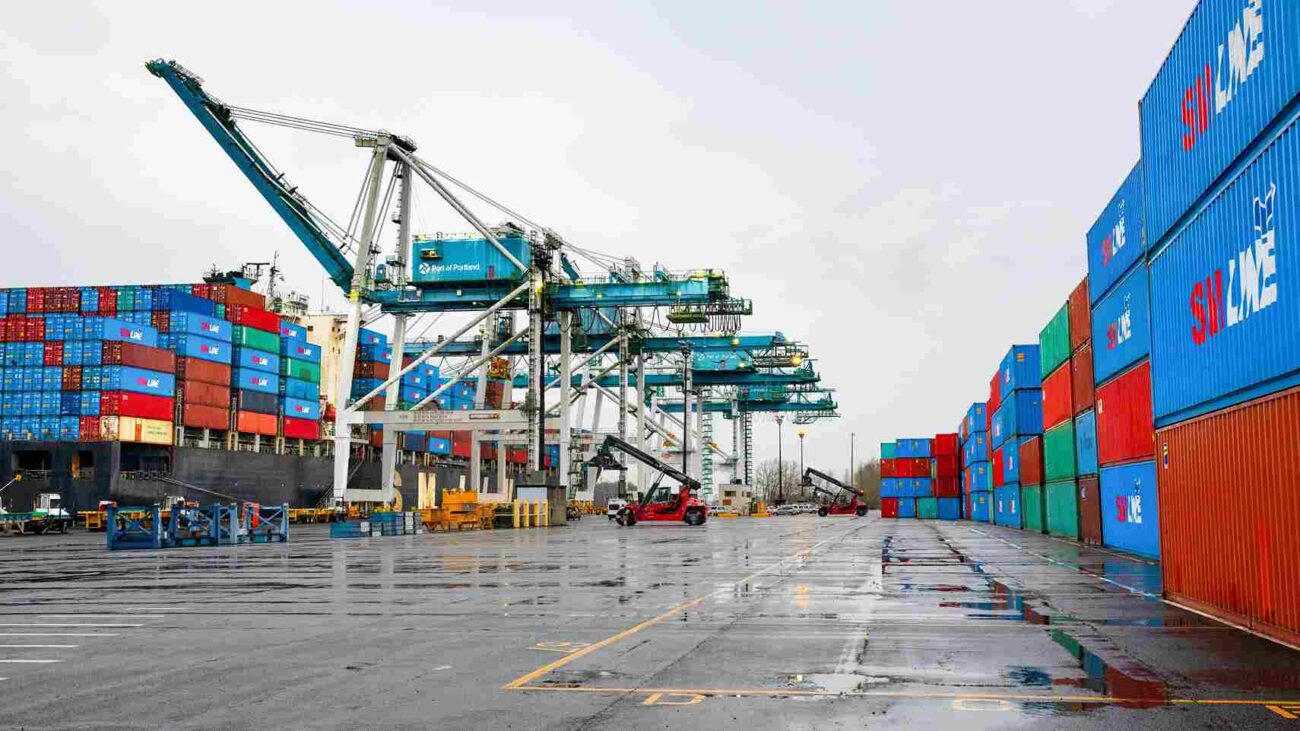
Modern supply chains are the life of the global economy, which leads goods from production lines to consumers with incredible speed. The center of this complex network has transport hubs known as freight terminals. While many of these are public functions, a strong turnover leads to a private freight terminal (PFT), a game switch for the logistics industry.
This blog will detect the important role of private freight terminals. We will define what it is, how it is different from public alternatives, and why this supply chain is necessary to improve efficiency. From advanced technology to customized solutions, you will know how private product stations change the movement of cargo.
What Is a Private Freight Terminal?
A private freight terminal is an ownership and operated facilities for a private unit, instead of a government body as a port authority or national railway. These are the hubs dedicated to different methods for terminal transport, such as trucks, goods trains and ships to handle, store and transfer accessories. They can be part of a truck terminal, iron banter terminal or large marine terminals.
Unlike public freight terminals, which serve a wide range of companies based on the first to the mill, a PFT often offers a dedicated logistics service to specific customers or industries. This allows more flexibility, efficiency and high levels of customer service. The development of these terminals can be a Greenfield PFT project created by Ground Up, or a Brownfield PFT project, which involves upgrading an existing function.
The goal of a private freight station aims to prevent, reduce low transport costs and to streamline the entire loading business. They are an important component of modern supply chains, especially with large freight corridors such as India’s dedicated freight corridors (DFC corridor).
Key Benefits of Private Freight Terminals

The shopping center that carries the personal ownership of the freight terminals and steps towards management is inspired by many important benefits. These benefits directly address some of the biggest challenges in the supply chain industry.
You can also read about telecom expense audit
Enhanced Efficiency and Speed
Private terminals are designed for maximum efficiency. They often facilitate advanced handling equipment, such as heavy charges, and customized layouts that reduce treatment time for trucks and trains. They can guarantee fast loading and unloading, which is important for important guaranteed services and industries such as groceries such as groceries, food and drink. This focus on speed helps companies achieve significant cost savings and improve their total performance.
Customized Solutions and Services
One of the largest areas of PFT is the opportunity to get a customized solution. A private terminal administration company can tailor the operation of the customer’s specific requirements. This may mean that constructing features with a specific LOA 710 m (length) to adjust a private siding or brake vessel siding, or large rolling warehouses, and develops special railroading. This level of adaptation in a public benefit is rarely possible.
Integration with Advanced Technology
Private freight terminals are ahead of using 4.0 technologies. They integrate sophisticated inventory management systems, transport management systems and probable load tracking systems. Many functions use an electronic-in-movement weight bridge (also known as a movement weight bridge), and grows to move on to weigh Indian railway wagons or trucks without stopping. This use of technology improves better data, better planning and load safety.
Superior Security and Control

Safety is top priority at private terminals. They use advanced security systems, including 24/7 surveillance cameras, strict access control systems and even biometric access to sensitive areas. Some loading movements are also searching for blockchain systems to create safe and transparent records. This reduces increased safety theft and damage, which gives customers security.
You can also read about roofing venting san jose
The Infrastructure of a Modern PFT
A private freight terminal is just more than a piece of hill. It is a complex ecosystem of infrastructure designed to facilitate uninterrupted intimate development.
The physical design often includes a main branch line connecting the railway network, multiple tracks and a loop line, so that trains can come in and go out without disturbing the main line traffic. For example, a new PFT developed by the Bangalore Division of South Western Railway may be part of a major government initiative as Prime Minister Gati Shakti, aimed at building multimodal logistics parks across the country.
M/S Vimla Infrastructure PVT and Adani ports and Special Economic Zone (APSEZ) are prominent actors to develop this infrastructure. They handle everything from the purchase of land to the laying of terminal facilities, often under an income sharing model with the National Railway Administration. These terminals, which associated with Vizag Port, become important links in the National and International Logistics Networks.
The Future of Freight is Private
As the amount of global marine load increases, it will require efficient and reliable goods terminals. Estimated private investments in Arabs (eg RS 2800 crore for some projects), add in the field. Companies that specialize in logistics, such as the Total Quality Logistics (TQL), which have won awards as National Transfers of the Year, recognize the value of these dedicated hubs.
The development of PFTs is also expanded beyond traditional cargo. Specific terminals are produced for specific industries, such as facilities developed by Adani Agri Logistics Limited for agricultural products or SKN Haryana City Gas Distribution for Energy Resources.
By offering better efficiency, adaptation and safety, private goods terminal is no longer a choice – it becomes standard for modern, flexible supply chains. Since companies seek ways to reduce the cost of logistics and improve the service, the role of these private hubs will only be more important.
